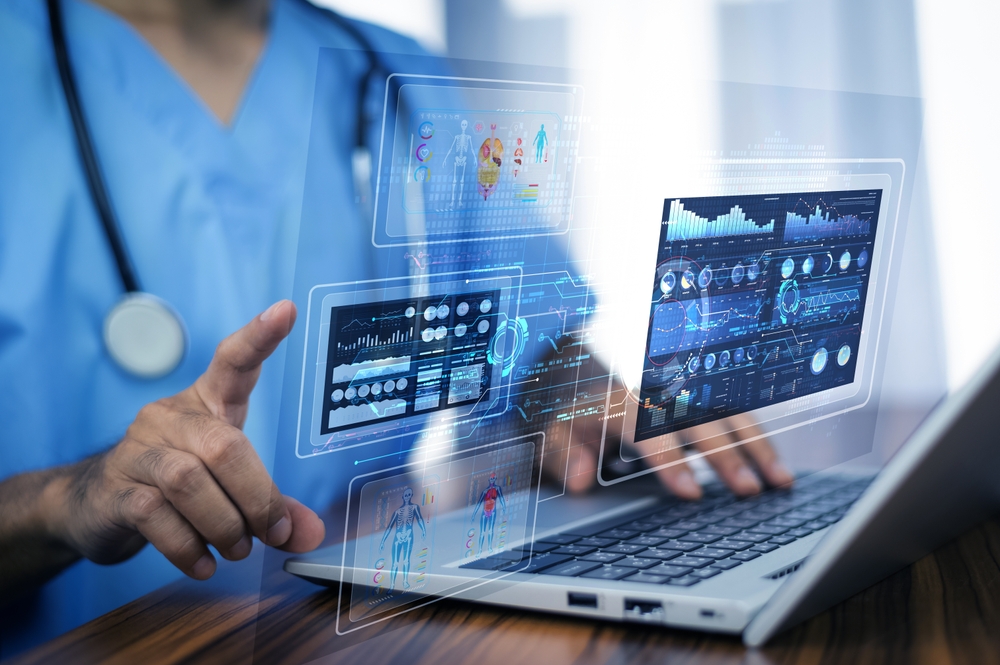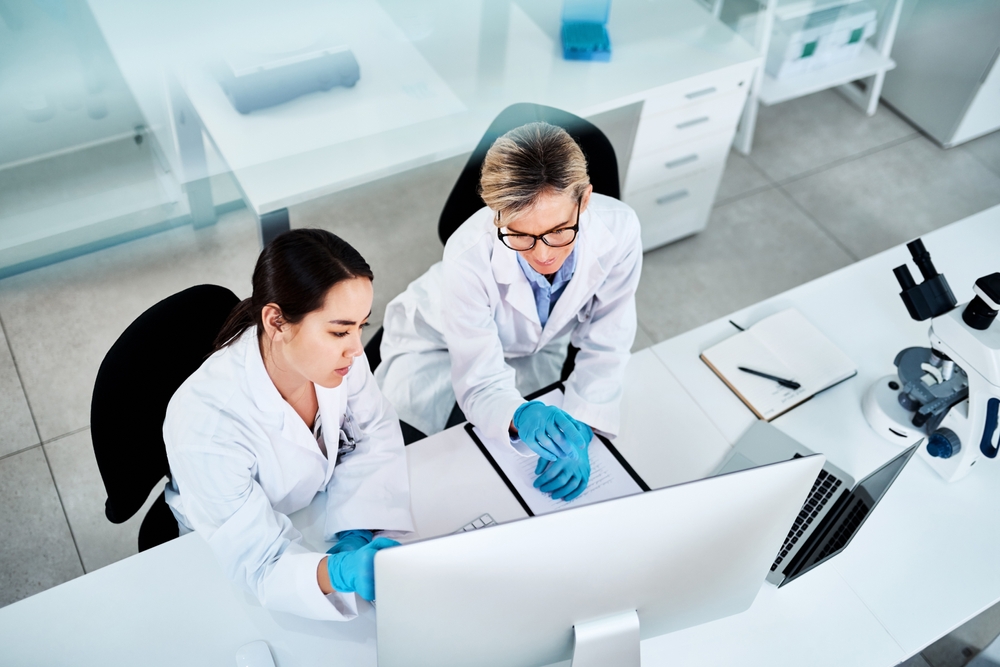
Artificial intelligence (AI) is transforming healthcare, and in vitro diagnostics (IVDs) are at the forefront of this revolution. At Acenth, Clinical Research Organization (CRO), understanding how AI integrates into diagnostic workflows is critical for healthcare professionals seeking to improve patient outcomes. AI algorithms can analyze complex datasets faster and more accurately than traditional methods, allowing for earlier disease detection, improved diagnostic precision, and enhanced operational efficiency. For clinicians, this means access to more reliable information when making treatment decisions, ultimately supporting evidence-based practice.
The combination of AI with IVDs addresses long-standing challenges in diagnostic medicine, such as variability in test interpretation and limitations in manual analysis. By leveraging machine learning and pattern recognition, AI can identify subtle trends in laboratory data that might be missed by human evaluation. These innovations highlight the importance of clinical trial design to validate AI-assisted diagnostics, ensuring that studies are methodologically sound and results are reproducible across diverse patient populations.
Integration of AI into IVDs also requires careful consideration of regulatory and data standards. Collaborating with regulatory services ensures that AI-driven diagnostic tools comply with evolving guidelines and maintain patient safety. This synergy between AI, clinical research, and regulation provides healthcare professionals with tools that are not only innovative but also trustworthy and actionable in clinical settings.
Enhancing Diagnostic Accuracy Through AI
One of the most significant contributions of AI to IVDs is its ability to enhance diagnostic accuracy. Machine learning algorithms can process large volumes of data, detect patterns, and predict outcomes with high precision. In practice, this reduces the risk of misdiagnosis, ensures consistent interpretation of test results, and accelerates clinical decision-making. For healthcare professionals, the result is more confidence in test outcomes and improved patient care.
AI also supports clinical data management by automating data cleaning, standardization, and integration from multiple sources. This ensures that the datasets used for IVD evaluation are complete, accurate, and ready for analysis. Additionally, AI can assist in identifying trends and correlations within the data that might otherwise be overlooked, providing actionable insights for both clinical and research applications. These capabilities are particularly valuable in large-scale trials where human analysis alone may be impractical.
Predictive analytics further expands the utility of AI in IVDs. By analyzing historical data and current patient information, AI models can forecast disease progression, suggest optimal testing intervals, and even recommend targeted interventions. Collaborating with biostatistics experts ensures that AI-driven predictions are validated and interpretable, maintaining scientific rigor while enhancing clinical utility.
Streamlining Clinical Trials and Workflow
AI is not only changing diagnostic accuracy but also the way clinical trials for IVDs are conducted. Automated data analysis accelerates the assessment of endpoints and allows researchers to adapt trials in real time, improving efficiency and reducing costs. By integrating project management principles, clinical teams can ensure that AI-enhanced workflows remain organized, compliant, and aligned with study objectives.
Moreover, AI facilitates personalized approaches to diagnostics. Subgroup analyses and real-time monitoring help identify how different patient populations respond to specific tests, supporting more tailored treatment strategies. For clinical trial sponsors and healthcare providers alike, this approach maximizes the value of collected data and strengthens the evidence base for AI-powered diagnostics. Medical writing teams play a crucial role in translating these complex analyses into clear, actionable reports for regulatory submissions and clinical guidance, bridging the gap between advanced analytics and practical application.
Conclusion: AI as a Catalyst for Smarter Diagnostics
In conclusion, AI is redefining the role of IVDs in clinical practice, enhancing diagnostic accuracy, accelerating workflows, and supporting personalized medicine. At Acenth, Clinical Research Organization (CRO), the integration of AI with meticulous quality monitoring and data-driven research ensures that innovations are both safe and effective. For healthcare professionals, these advancements offer a new era of diagnostics where insights are faster, more precise, and more actionable, ultimately improving patient outcomes and shaping the future of clinical care.
Resources
- Topol, E. J. (2019). Deep Medicine: How Artificial Intelligence Can Make Healthcare Human Again. Basic Books.
- Rajkomar, A., Dean, J., & Kohane, I. (2019). Machine Learning in Medicine. New England Journal of Medicine, 380(14), 1347–1358.
- Esteva, A., Robicquet, A., Ramsundar, B., et al. (2019). A Guide to Deep Learning in Healthcare. Nature Medicine, 25, 24–29.