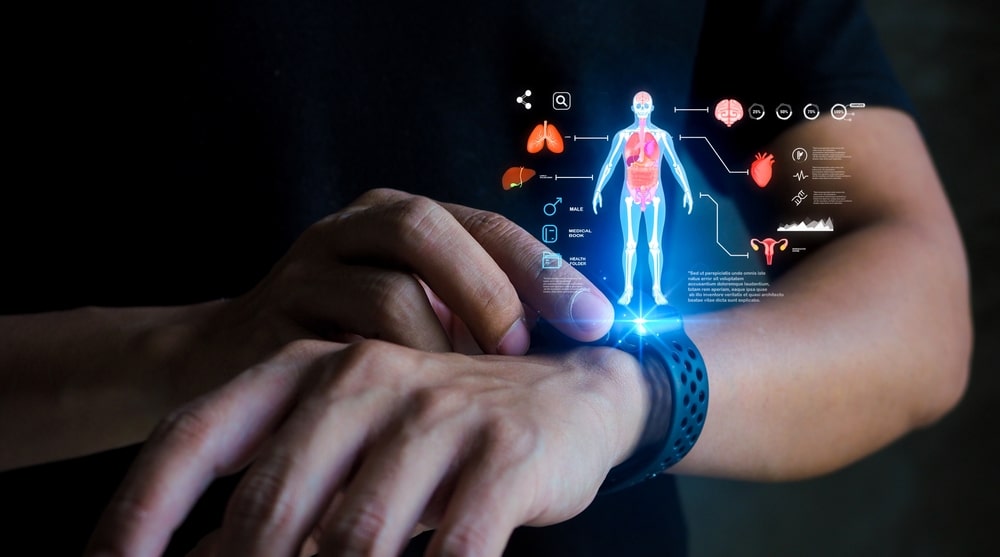
In recent years, wearable medical devices have moved beyond simple fitness trackers to become sophisticated tools that provide real-time health data, enabling physicians to make more informed decisions. At Acenth, we recognize the growing interest among healthcare professionals and clinical researchers in understanding these innovations and their potential applications. From continuous glucose monitors to smart ECG patches, wearable devices are transforming patient monitoring, chronic disease management, and preventive care. As technology advances, these devices are generating large volumes of data, which highlights the importance of clinical data management in ensuring accuracy, reliability, and meaningful insights for healthcare decision-making.
For doctors and clinical investigators, wearable devices are not just consumer gadgets; they are potential instruments for improving patient outcomes. Integrating these devices into clinical research requires careful planning, from sensor validation to data security, emphasizing the role of clinical trial design in assessing safety, effectiveness, and compliance with regulatory standards. Wearables can provide longitudinal health insights, offering a more detailed picture than periodic office visits, which can improve treatment personalization and patient adherence.
Advanced Monitoring Capabilities
Continuous and Remote Monitoring
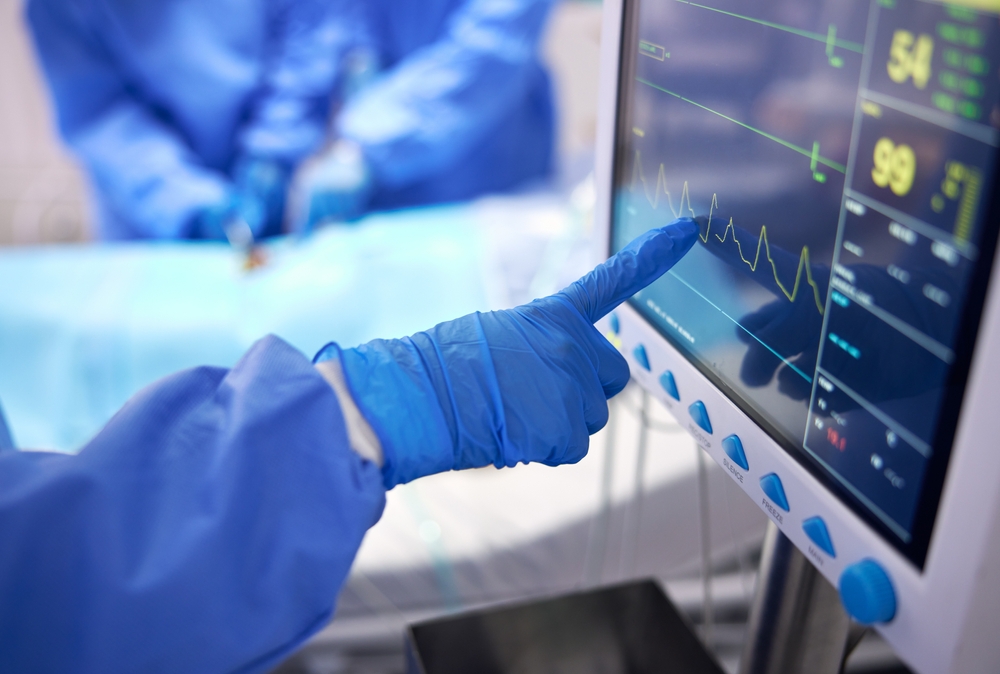
Modern wearable devices allow continuous monitoring of vital signs such as heart rate, oxygen saturation, blood pressure, and glucose levels. Continuous monitoring is especially valuable in chronic disease management, where small fluctuations can signal potential complications. For healthcare professionals, these insights support early interventions and reduce hospital readmissions. Additionally, remote monitoring enables patients to remain at home while clinicians receive timely updates, an aspect that is increasingly relevant in telemedicine and decentralized clinical trials. Coordinating this data and ensuring quality throughout the collection process highlights the importance of quality monitoring in clinical research.
Multi-Parameter Devices
Recent devices can measure multiple physiological parameters simultaneously, providing a more comprehensive view of a patient’s health. For example, some patches can track cardiac rhythm, skin temperature, and movement patterns concurrently, offering integrated datasets that enhance both diagnostics and predictive modeling. These rich datasets necessitate collaboration with biostatistics experts to interpret results accurately, determine trends, and support clinical decision-making or trial endpoints. The complexity of multi-parameter data underscores the need for precise project management to maintain timelines, data integrity, and compliance throughout clinical studies.
Data Integration and Clinical Applications
Data-Driven Decision Making
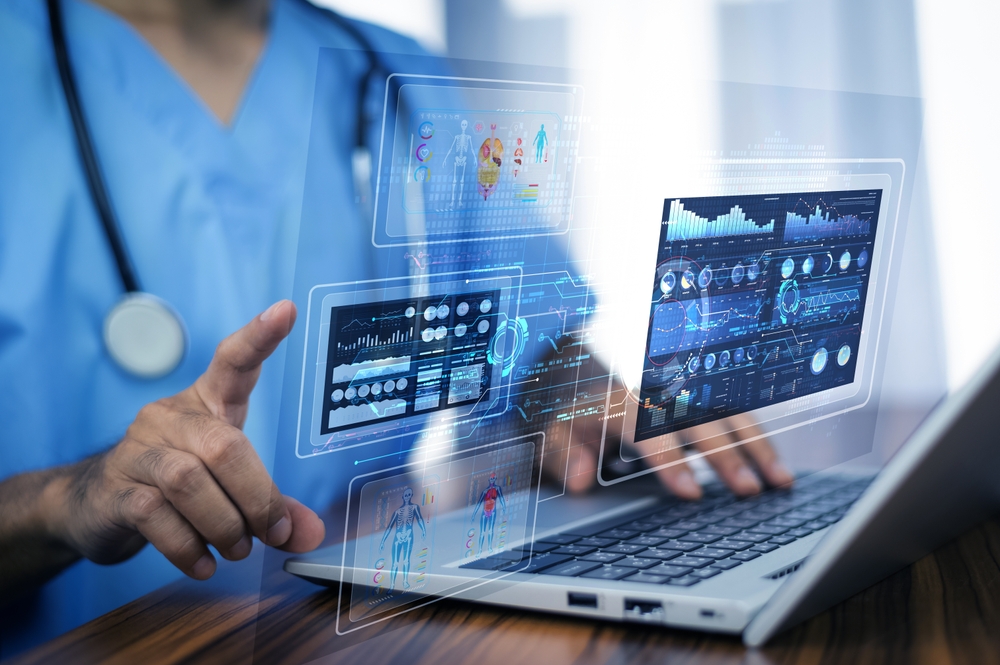
Wearable devices generate vast amounts of continuous data, which must be carefully analyzed to support clinical decisions. Effective integration of this data into electronic health records and research databases ensures that healthcare providers can make actionable recommendations. Clinical data management plays a crucial role in organizing, validating, and curating these datasets to avoid errors and maximize their utility in both research and patient care.
Supporting Clinical Trials
The utility of wearables extends to clinical research, where real-time monitoring can improve trial accuracy and patient adherence. Incorporating wearables into trials requires meticulous regulatory services to ensure devices meet all local and international safety standards. Additionally, clear and precise communication of trial findings, often facilitated by professional medical writing, ensures that outcomes are correctly interpreted and published for healthcare stakeholders. This integration of technology and methodology is critical to advancing evidence-based medicine.
Future Directions in Wearable Medical Devices
Looking ahead, wearable devices are likely to become even more personalized, leveraging artificial intelligence and predictive analytics to provide actionable insights tailored to individual patients. Miniaturization of sensors and longer battery life will improve patient comfort and adherence, while secure cloud platforms will enable seamless data sharing among clinicians and research teams. Innovations in clinical trial design will allow faster evaluation of these technologies in diverse populations, helping to establish efficacy and safety in real-world scenarios.
Furthermore, interdisciplinary collaboration will be key to maximizing the benefits of wearable technology. Combining expertise from clinicians, engineers, data scientists, and regulatory specialists ensures that these devices are both effective and compliant. This collaborative approach supports high-quality, data-driven care and contributes to better clinical outcomes.
Transforming Healthcare with Wearables
Wearable medical devices are reshaping how healthcare professionals monitor, diagnose, and treat patients. By providing continuous, multi-parameter insights, these devices enhance both patient care and clinical research capabilities. At Acenth, we recognize the importance of staying informed about these innovations to support healthcare professionals and researchers in navigating the evolving landscape of wearable technology. With advances in monitoring, data integration, and clinical trial methodologies, wearable devices are set to play a pivotal role in the future of healthcare.
Resources
- Patel, S., Park, H., Bonato, P., Chan, L., & Rodgers, M. (2012). A review of wearable sensors and systems with application in rehabilitation. Journal of NeuroEngineering and Rehabilitation.
- Steinhubl, S. R., Muse, E. D., & Topol, E. J. (2015). Can mobile health technologies transform health care? JAMA.
- Bonato, P. (2010). Wearable sensors and systems. IEEE Engineering in Medicine and Biology Magazine.