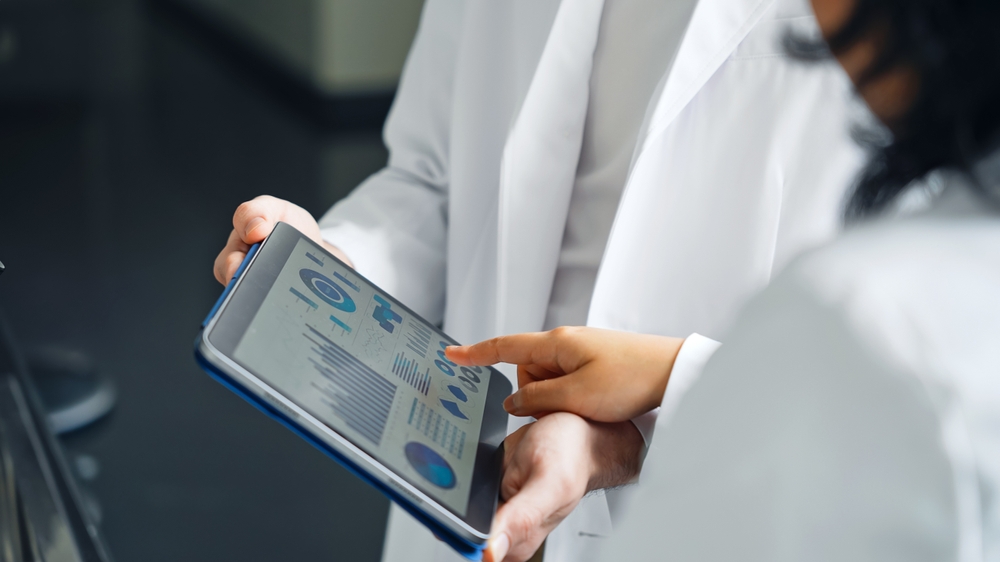

Managing clinical trials for medical devices can be complex, involving multiple sites, regulatory requirements, and diverse data sources. For healthcare professionals and clinical researchers, staying organized throughout the trial lifecycle is critical to ensure efficiency, accuracy, and compliance. At Acenth, Clinical Research Organization (CRO), we recognize that structured trial management is essential to delivering high-quality results while maintaining patient safety. By integrating trial management tools into workflows, clinical teams can centralize study operations, improve communication, and reduce the risk of errors that may impact trial outcomes.
These tools are particularly valuable when designing and executing clinical trial design strategies, allowing teams to define endpoints, allocate resources, and plan milestones effectively. From patient recruitment to monitoring protocol adherence, trial management platforms support every stage of the process, helping investigators maintain control over even the most complex device studies.
Understanding Trial Management Tools
Trial management tools are software platforms or systems that organize, track, and monitor clinical study activities. They provide a centralized hub for study documentation, participant data, site communication, and reporting. For device trials, these tools can streamline the management of multiple investigational sites, equipment tracking, and regulatory submissions. By ensuring all stakeholders have access to real-time data, trial management platforms reduce delays, prevent duplication of effort, and support consistency in protocol execution.
Integration with clinical data management is critical in device trials. Accurate and timely data collection allows investigators to monitor trial progress, identify trends, and ensure compliance with study protocols. By coupling trial management tools with robust data management practices, clinical teams can maintain data integrity while generating meaningful insights that guide trial decisions.
Enhancing Coordination Across Teams
One of the key benefits of trial management tools is their ability to enhance team coordination. Device trials often involve multidisciplinary teams, including investigators, research coordinators, regulatory specialists, and statisticians. Tools that consolidate communication channels, task assignments, and documentation ensure that all team members stay informed and aligned.
For example, project management modules within trial management tools can assign responsibilities, set deadlines, and track progress for each study activity. Meanwhile, integration with quality monitoring processes ensures that trial sites adhere to protocols, reducing deviations and ensuring patient safety. By providing a single source of truth, trial management platforms enable efficient collaboration even when team members are distributed across multiple locations.
Supporting Compliance and Regulatory Requirements
Device trials are subject to strict regulatory oversight. Ensuring compliance with local and international guidelines is essential to avoid delays, fines, or invalidated study results. Trial management tools can track document submission, audit readiness, and regulatory approvals, making it easier for clinical teams to maintain compliance.
These platforms can also link to regulatory services, allowing investigators to navigate complex approval processes efficiently. Automated alerts and reporting functions help teams stay on top of deadlines and changes in regulatory requirements. Additionally, well-maintained documentation supported by trial management systems is critical for regulatory submissions, enabling smoother interactions with health authorities.
Improving Trial Analysis and Reporting
Beyond organization, trial management tools support robust analysis and reporting. Integration with biostatistics ensures that collected data can be evaluated accurately, helping researchers identify trends, assess safety signals, and measure device efficacy. Reporting dashboards and automated analytics provide stakeholders with timely insights, allowing for informed decisions throughout the study.
Combining trial management with medical writing ensures that trial results are communicated clearly and comprehensively. Accurate documentation of trial findings supports publication, regulatory submissions, and future device development efforts. These practices collectively enhance trial transparency, efficiency, and credibility within the clinical research community.
Future Directions in Device Trial Management
The future of device trial management will likely involve greater integration of digital tools, real-world data, and artificial intelligence to optimize trial design, monitoring, and reporting. Cloud-based platforms and mobile-enabled solutions allow real-time data entry, remote monitoring, and predictive analytics, further simplifying trial oversight. For healthcare professionals, embracing these advancements means better organization, more reliable data, and ultimately improved patient outcomes.
At Acenth, Clinical Research Organization (CRO), we recognize the transformative potential of trial management tools. By leveraging structured, technology-driven approaches, clinical teams can manage device trials more effectively, reduce administrative burdens, and ensure that studies remain compliant, transparent, and successful.
Conclusion
Keeping medical device trials organized requires careful planning, coordination, and the right technological tools. Trial management systems provide a centralized solution for monitoring study progress, maintaining compliance, and enhancing collaboration across teams. For healthcare professionals aiming to streamline device studies, these platforms are indispensable. At Acenth, we support the integration of innovative trial management strategies, helping clinical teams optimize operations and achieve meaningful research outcomes.
Resources
- Getz, K. A., & Campo, R. A. (2007). Understanding the Challenges of Clinical Trial Management. Drug Information Journal.
- Califf, R. M., et al. (2012). Digital Innovations in Medical Device Trials. New England Journal of Medicine.
- U.S. Food & Drug Administration (FDA). (2020). Medical Device Clinical Trials.